
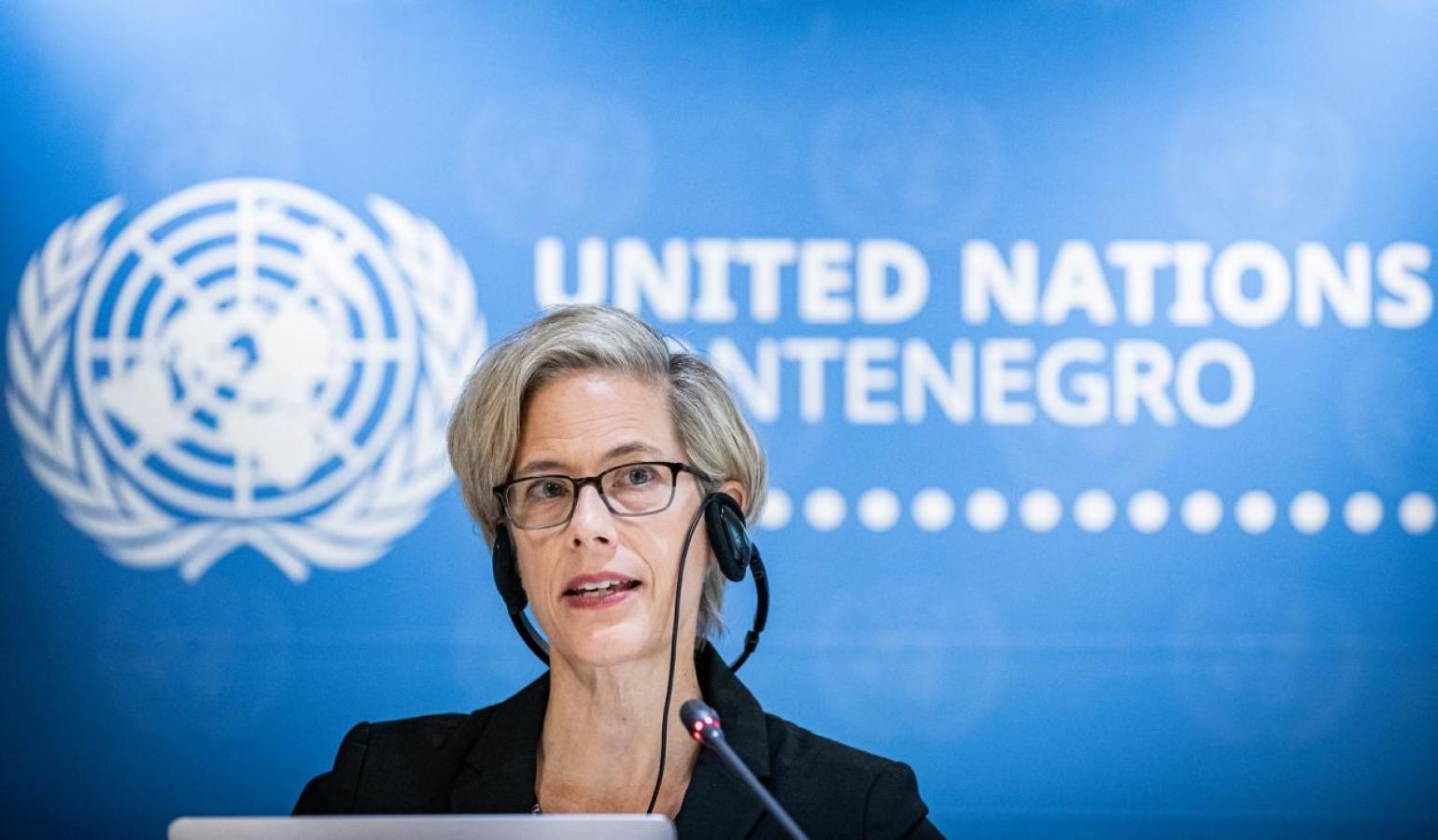
The United Nations Special Rapporteur on the Independence of Judges and Lawyers, Margaret Satterthwaite, has published a report within the framework of the sixth session of the Human Rights Council, setting out international principles and minimum guarantees for judicial appointments.
The report shows that judicial independence is experiencing a global decline, as influential political and economic actors seek to capture or restrict the judiciary. Strategies employed for this purpose include altering the composition of judicial councils, establishing politically directed special chambers, or appointing acting judges, who are more vulnerable to external influence.
The main purpose of the report is to establish guiding minimum guarantees that will protect these systems from politicization and ensure that candidates are selected solely on the basis of their professional qualifications. These principles were developed through a comprehensive review of international and regional legal sources. The Special Rapporteur has grouped the proposed principles into three key areas. The first requires a clear and stable legal framework, the existence of independent and impartial appointing bodies, and strict limitations on the appointment of temporary judges, as they are particularly vulnerable to external influence. The second area concerns individual selection criteria, where the central standard should be the candidate’s integrity, education, and competence. The third area sets out procedural guarantees, requiring complete transparency at key stages of the process, reasoned decision-making, effective mechanisms for appealing violations, and opportunities for civil society participation.
As different judicial systems exist around the world, these principles do not propose a uniform legislative model. Rather, they serve as fundamental guidelines that should be localized and adapted to the constitutional and legal particularities of each country. This localization should be carried out through consultations with all relevant stakeholders.
The International and Comparative Law Center within the framework of the provided questionnaire submitted a report to the United Nations Special Rapporteur on the Independence of Judges and Lawyers. The report included the organization’s observations regarding the processes of judicial selection and appointment in the Republic of Armenia.